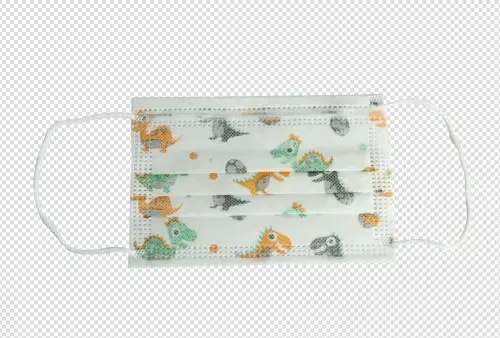
1. Material selection: The materials used for child medical masks need to be safe, hypoallergenic, and able to filter out harmful particles. Commonly used materials include non-woven fabrics, such as spunbond polypropylene, melt-blown polypropylene, and sometimes activated carbon or nanofiber filters.
2. Cutting and shaping: The selected materials are cut into appropriate sizes and shapes to form the mask layers. This is often done using specialized machinery or die-cutting techniques to ensure precision and consistency.
3. Layer assembly: The cut layers are then assembled and layered together. The outer layer, typically made of a water-resistant non-woven fabric, and the inner layer, made of a soft and comfortable non-woven fabric, are sandwiched around the middle filtration layer. The layers may be joined together through ultrasonic welding or adhesive bonding.
4. Nose wire insertion: A bendable nose wire or strip is inserted into the upper edge of the mask to provide a better fit and prevent air leakage. This wire is usually made of a flexible material, such as aluminum or plastic-coated metal.
5. Ear loop attachment: Elastic bands or ear loops are attached to the sides of the mask to secure it around the child's ears. These loops are often made of latex-free elastic materials to prevent allergies.
It's important to note that the exact manufacturing process may vary depending on the manufacturer and specific mask design. Additionally, A Disposable Children Face Mask should comply with regulatory standards and guidelines to ensure their safety and effectiveness.